-
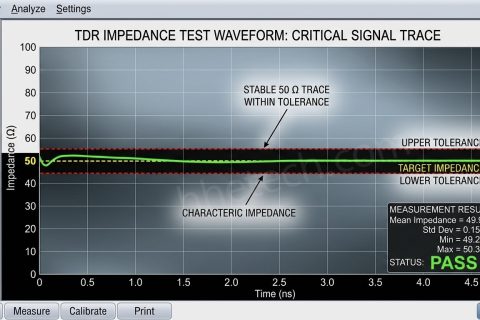
How to Optimize Impedance Control in High-Speed HDI Designs?
Learn how to optimize impedance control in 1+N+1 and 2+N+2 HDI PCB stackups. Expert insights on via-in-pad design, material selection, and signal integrity for high-speed hardware.
-
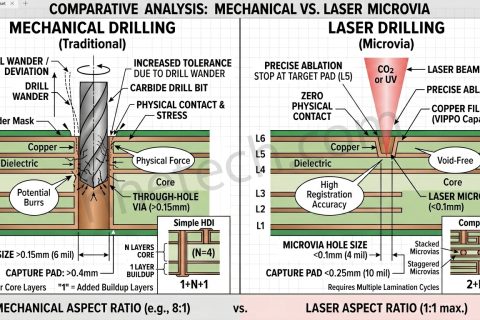
Laser Microvia vs. Mechanical Drilling: Cost and Precision Analysis
Why are microvias mandatory for HDI PCBs? Compare laser vs. mechanical drilling precision (0.075mm vs 0.15mm), cost-performance, and VIPPO reliability in HDI manufacturing.
-
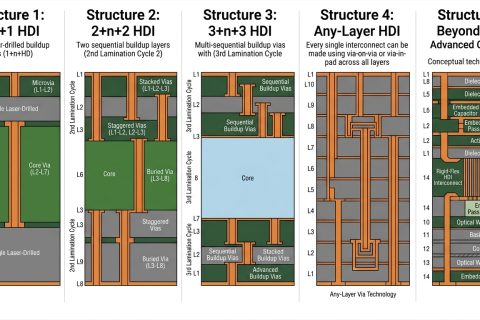
A Complete Guide to 1+n+1, 2+n+2, and 3+n+3 Stackups
Confused about HDI stackups? Learn the difference between 1+N+1, 2+N+2, and 3+N+3. Discover how sequential lamination impacts HDI PCB cost and complexity. Check our HDI PCB design rules.
-

Why UL 94 is important for PCB(Electronic product industry)?
UL94 is a material flammability safety standard developed by Underwriters Laboratories (UL) in the United States, which is mainly used to evaluate the flame retardant properties of plastic materials.UL 94 test is a key safety indicator to ensure that PCBs will not burn quickly, drip, or spread the fire when exposed to high temperatures or accidental fires.
-
Why we have to learn about CTI in PCB?
The CTI grade (Comparative Tracking Index) in PCB is an indicator to measure the material surface’s ability to resist tracking under the combined effects of electric field and moisture, which directly affects the insulation safety and long-term reliability of the circuit board.
-
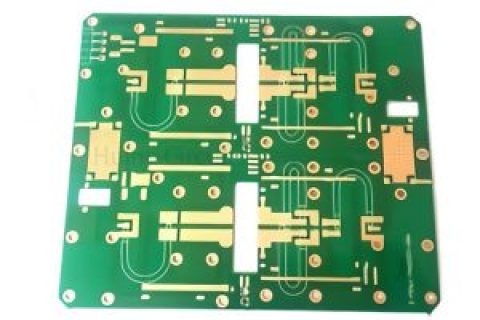
What’s the difference: ENIG VS ENEPIG?
ENIG (electroless nickel immersion gold) and ENEPIG (electroless nickel immersion gold over palladium immersion gold) are two common PCB surface treatment technologies, which have significant differences in structure, performance, application and cost.
-
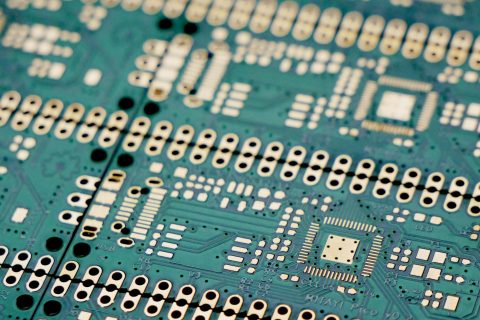
What’s the difference:ENIG VS Hard Gold
ENIG (Electroless Nickel Immersion Gold) and Hard Gold are two common PCB surface treatment processes, which have significant differences in principles, characteristics and application.
-
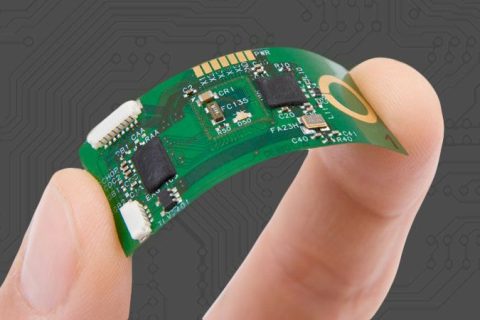
FPC Stiffener’s function and application
FPC itself is thin and flexible, but in some electronic product applications, it requires higher rigidity and support function, so FPC Stiffener is needed to meet it. Stiffener refers to a process of adding rigid materials to specific areas of the flexible printed circuit board (FPC) to improve its mechanical strength and stability.
-
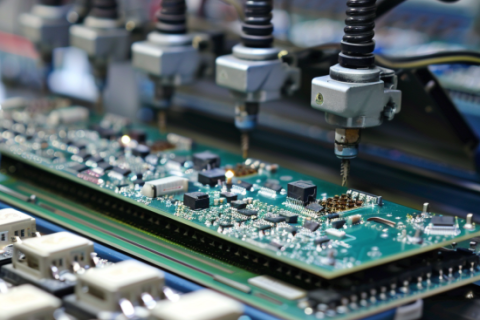
What’s the difference between PCBA(printed circuit board assembly) and ECM(Electronic Contract manufacturing)?
PCBA:PCBA also called”printed circuit board assembly”,It is a key process in electronic manufacturing, focusing on installing electronic components on printed circuit boards (PCBs).
ECM:ECM also called”Electronic Contract manufacturing”,It refers to a business model in which a company (contract manufacturer) manufactures electronic products according to the requirements of another company (brand owner or client) based on a contract signed by both parties, using the design, technical specifications, and sometimes specified raw materials and parts provided by the client. -
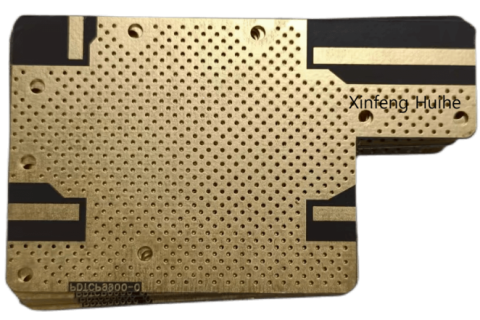
PTFE PCB:First choice for high-frequency and high-reliability PCB product
PTFE PCB (PTFE printed circuit board) is a special circuit board with polytetrafluoroethylene (PTFE, commonly known as Teflon) as the substrate material, designed for high-frequency, high-speed and high-reliability pcb applications.